Guys, I think I’ve discovered the best matcha café in KL to meet your cravings for all things matcha and I can’t wait to tell you all about it!
In this article:
- Where is Niko Neko Located?
- Niko Neko: The Vibe
- Niko Neko’s Food and Matcha Review
- About Niko Neko: The Brand
- Niko Neko’s Teas and Sourcing
- Niko Neko’s Other Branches
- Niko Neko Overall Review
Affiliate Link Disclosure
Some of the links on this page may be affiliate links, meaning I may earn a commission if you click on the link and make a purchase.
So my husband and I went to visit Niko Neko, probably on our 4th day in KL. I was looking up tea places in KL when I came across Niko Neko, and it looked super cool and interesting. And it was really close to where I was staying, so I decided to just walk there.
Where is Niko Neko Located?
Niko Neko 2.0, Chintatown
181, Jalan Tun H S Lee, City Centre, 50000 Kuala Lumpur
Niko Neko (2.0) is right in the heart of Chinatown, on the same street as Shiquan Tae Tea Garden, which I visited just before. But Shiquan happened to be a completely different vibe if you want to check out that article.
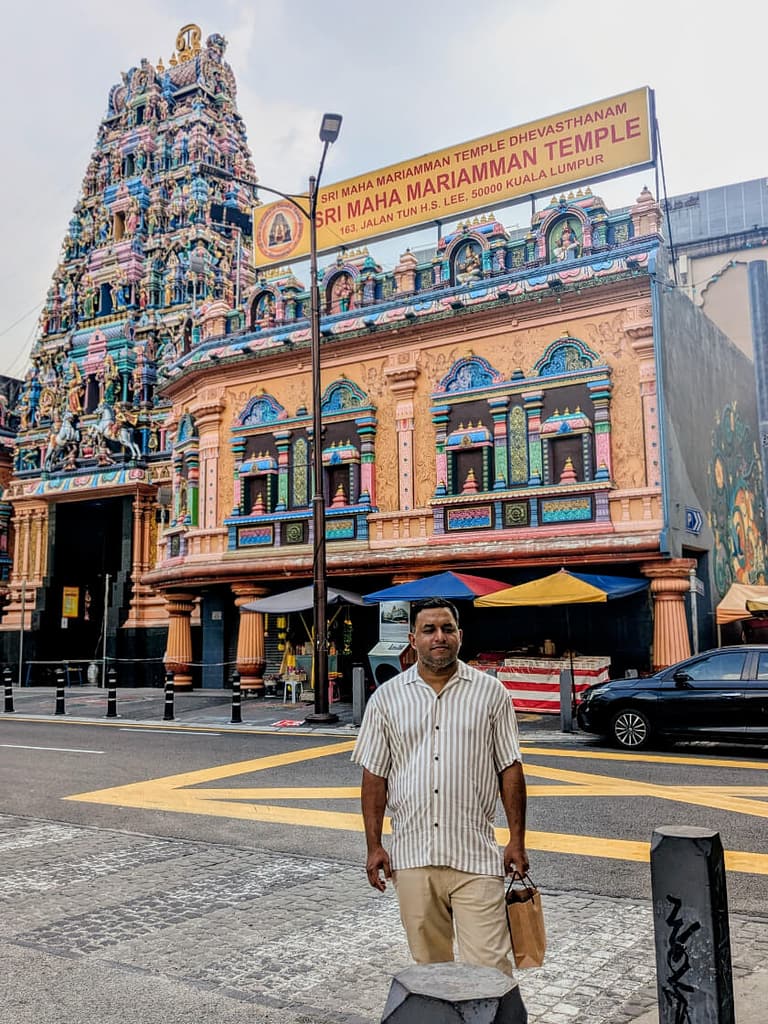
On the way, we crossed the beautiful Sri Maha Mariamman Temple. And from there it’s just a 1-minute walk.
As I followed the Google Maps directions, I reached the end of the road, but I couldn’t see any signs saying Niko Neko. And I started wondering if they had moved and forgotten to update their info.
But before I almost left in utter disappointment, I spotted a very obscure sign of a steel white cat hanging in front of an even more obscure shop. There was a bench outside and opaque glass doors behind.
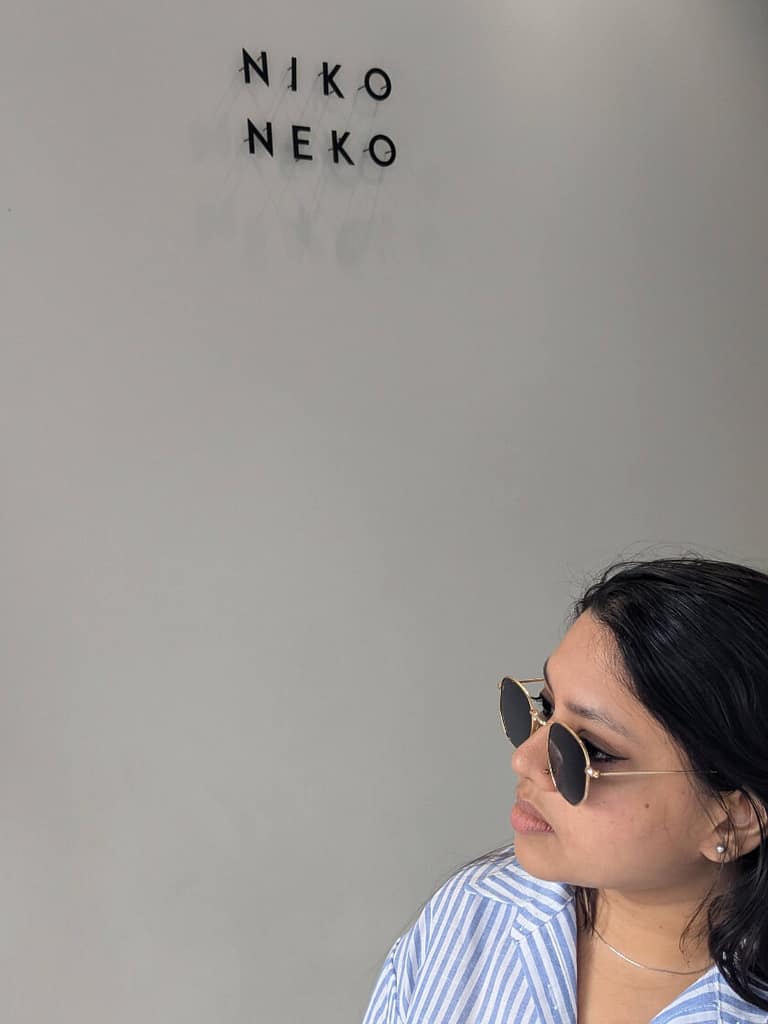
As I approached the doors, I saw Niko Neko written on one wall, almost hidden from sight. One would definitely miss it if they were just walking by.
It was a secret café. Well, that definitely added to my excitement.
Niko Neko: The Vibe
All of Niko Neko’s attempts at obscurity, however, seemed to have failed. I read in the reviews that this place gets super busy and you have to struggle to get seats, so I made sure to visit on a weekday. But it was still quite packed.
We did still manage to get a seat right away.
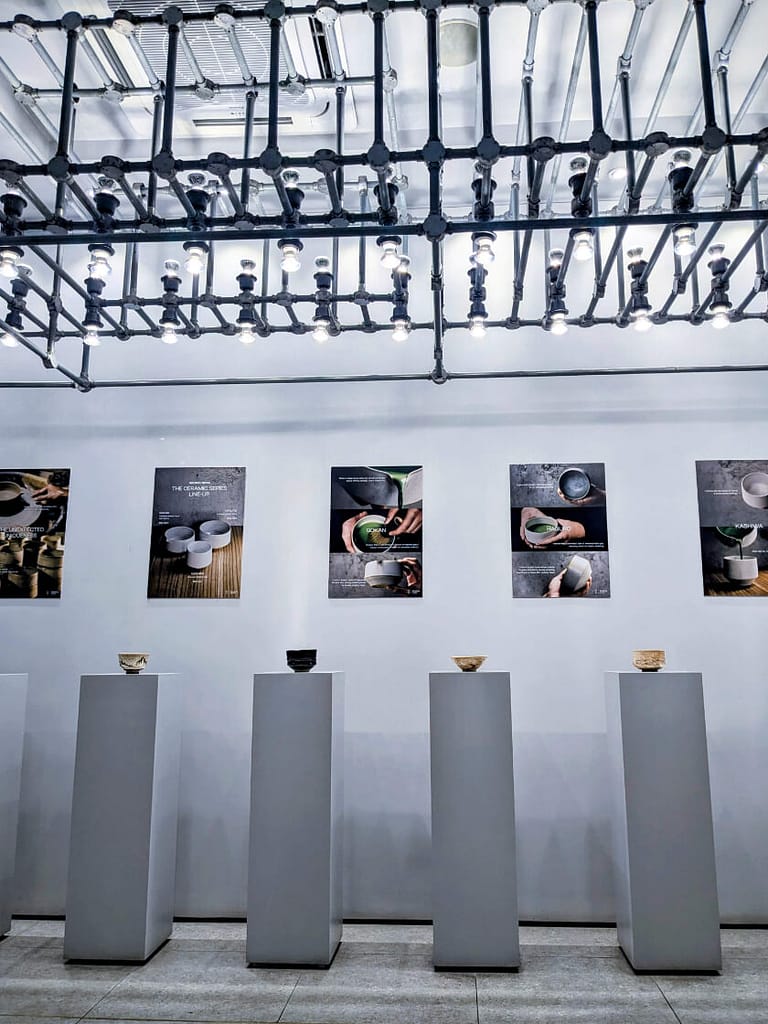
As soon as we entered through the doors, we were transported into a world of white walls with silver steel pipes hanging from the ceiling, shining white light on industrial minimalist decor.
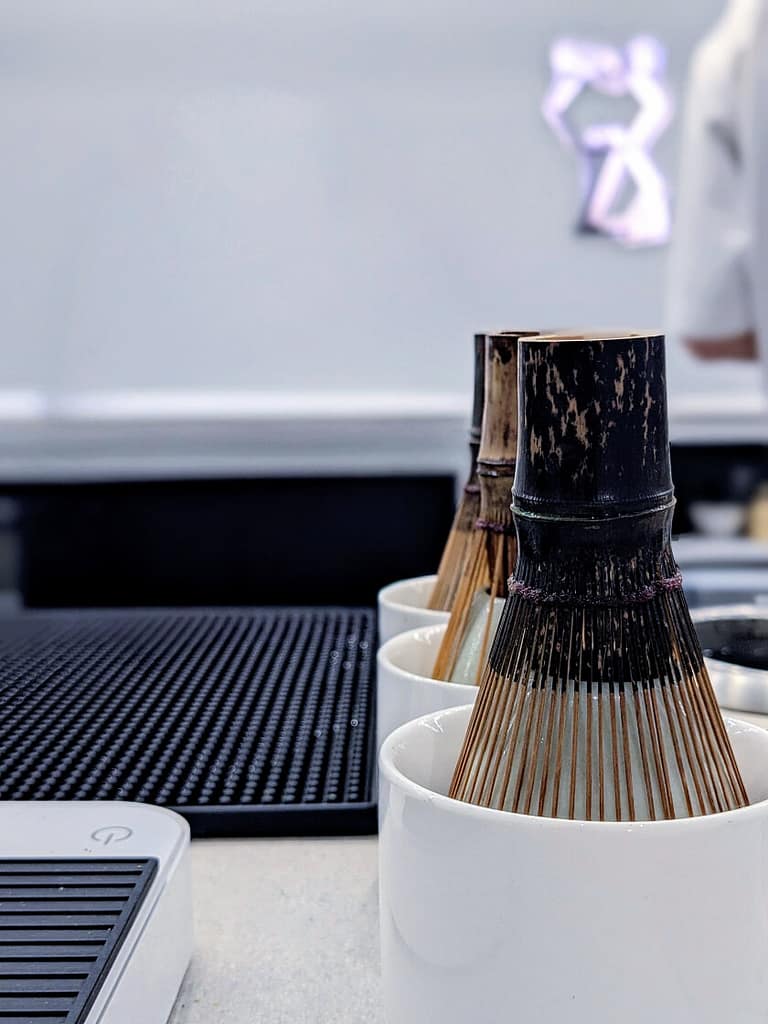
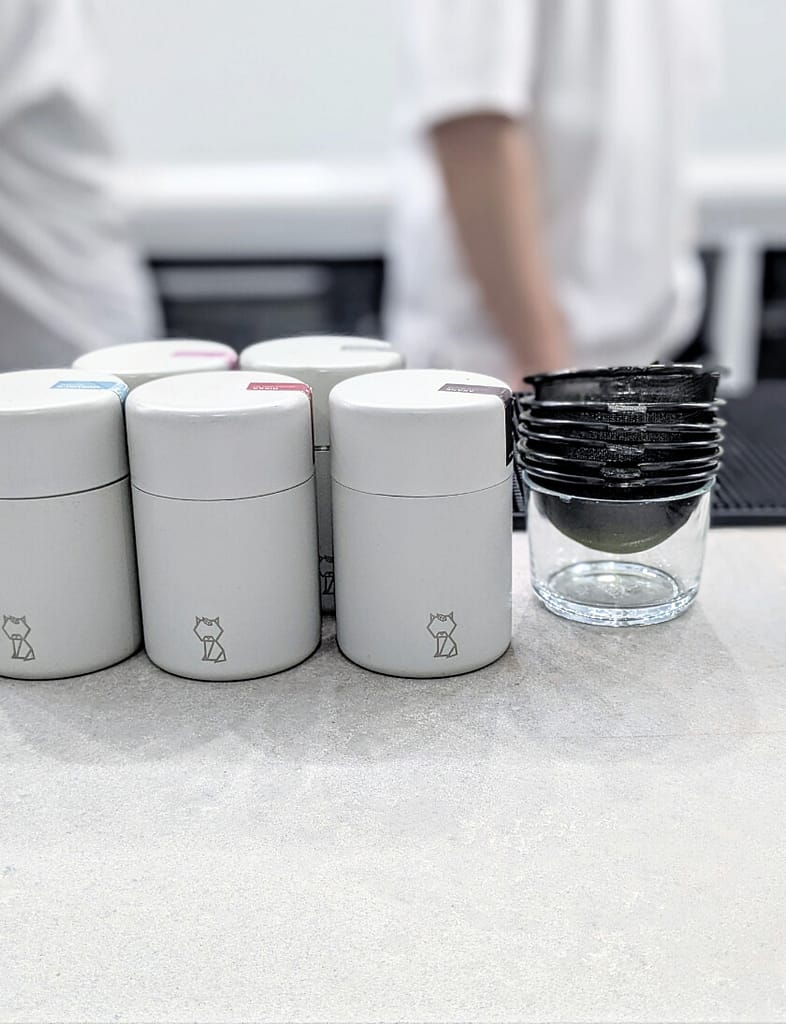
There were rows of matcha tins and related utensils on the shelves. The sounds and smells of matcha brewing and chill lo-fi beats added to the vibe.
And in the middle of the store, a beautiful display of wabi-sabi matcha bowls, each on a pedestal. I immediately felt calmer.
You walk past the matcha bowls to come across the brewing station, which takes centre stage. This area is designed in a way to make the matcha-making process seem more like a performance, one that involves patience, precision, and genuine care.
As I stood and quietly watched the matcha barista making my drink, I felt I was watching an artist at work, turning a simple cup of matcha into a labour of love.
Niko Neko’s Food and Matcha Review
The menu
As I sat down, I was brought two menus: one featured a matcha latte popcorn, a new item perhaps. As tempting as that sounded, I was excited to try some other stuff from their menu.
The actual menu had a white cover with just their cat logo at the top. Niko Neko’s minimalist aesthetic seemed to echo the ‘kanso’ design principle in Japanese teahouses, albeit in a very ultra-modernistic manner.
However, this principle did not apply to their menu. The menu was expansive, to say the least!
Starting off, the menu listed the different kinds of matcha available, and under each, it mentioned which specific region of Japan it was from, which tea cultivar, and the flavor profile.
There were options for matcha without milk, with fresh milk or oat milk, hot or iced, and with or without sugar.
They also had different series of Hojicha (roasted green tea), Genmaicha (green tea toasted with rice), and Wakoucha (a type of Japanese black tea), and a bunch of Matcha mocktails that looked very interesting.
And so many desserts!
The food and matcha
We had to scan a code to order. Since we were still full from lunch, we couldn’t order nearly as many things as we wanted to. But it was very difficult to choose.
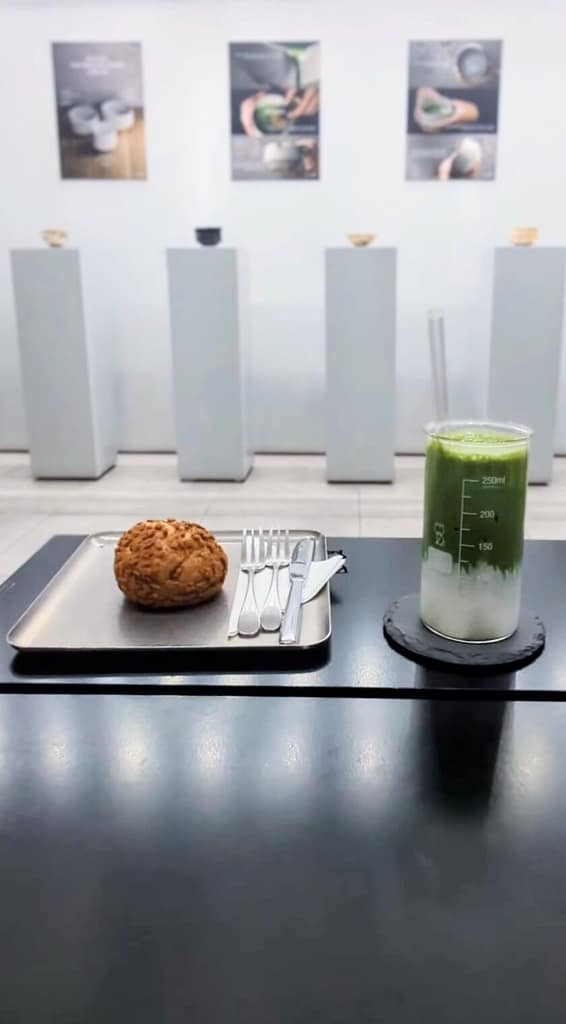
We ended up getting the YURI Matcha Choux Au Craquelin and an Ajisai Iced Matcha Latte with milk.
The pastry was served in a simple silver tray with silver utensils, while the drink came in a cylindrical glass that looked like a beaker of sorts with a glass straw.
Both were extremely good! The pastry was just the perfect amount of crispy and crunchy on the outside, while the matcha cream just melted in my mouth most luxuriously. Ugh, I can still taste it!
And the drink was just everything you want in a good matcha latte. The matcha flavor was very strong and fragrant, with just the right balance of grassy, sweet, bitter, and that super satisfying umami.
About Niko Neko: The Brand
Niko Neko was founded in 2015 by Syun Hattori and Izzat Iskandar. Syun, who is half-Japanese, grew up around Japanese tea, with his grandfather and mother often preparing and serving matcha to guests at home.
After moving to Malaysia as a teenager, he wanted to introduce more people here to Japanese tea culture.
He later shared the idea of starting a matcha brand with his former college mate Izzat, who was also a tea enthusiast, and together they founded Niko Neko Matcha.The plan was to combine traditional Japanese tea with a more contemporary and minimalist aesthetic.
Since then, Niko Neko has grown from a small matcha studio into a well-known brand name in Malaysia’s matcha scene, one that’s become synonymous with high-quality matcha.
Today, they supply matcha to cafés and bakeries around Malaysia and also sell their own range of matcha, hojicha, wakoucha, genmaicha, and genmai for people to enjoy at home.
Niko Neko’s Teas and Sourcing
Niko Neko sources its teas from some of Japan’s well-known tea-growing regions. While I couldn’t find detailed information about the specific farms they source from, their website does provide information about the different teas and the Japanese regions they come from.
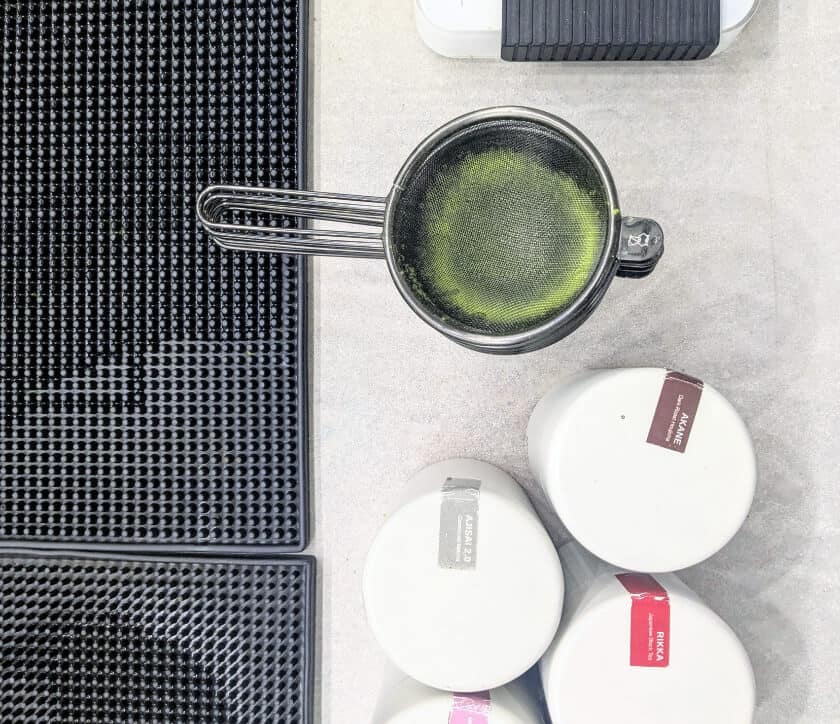
For matcha, they currently have three varieties: REN, their highest-quality matcha; Ajisai, which is the one I tried, and Yuri, which they describe as their artisanal matcha and is the most affordable of the three.
All three are made from the Yabukita cultivar and sourced from Mie, Japan.
For hojicha, they have two varieties: Tsubaki, also from Mie, and Akane, which is sourced from Kagoshima and Miyazaki.
They also sell Genmaicha and Genmai. Both are made with roasted brown rice, with Genmaicha blended with green tea while Genmai is the roasted rice on its own. These are also sourced from Mie, Japan.
Niko Neko’s Other Branches
There are currently five Niko Neko branches across different locations, each with its own atmosphere and design.
Niko Neko 2.0 — Chinatown KL
This is the one I visited. Located in a popular tourist area, this branch can get quite crowded, and parking can be a little difficult.
Niko Neko 3.0 — Damansara Heights
This outlet has the largest collection of gelato, matcha lattes and matcha desserts. It’s also one of their more popular locations, so you can expect it to get very busy.
Niko Neko 4.0 — Campus Ampang
This one has a more relaxed atmosphere. If you want somewhere to sit down and get some laptop work done, this would probably be one of the better options.
Niko Neko 5.0 — The MET KL
Located inside an office building, this branch is also generally less busy than some of their other outlets.
Niko Neko 6.0 — Merdeka Square
And finally, there’s their newest location, Niko Neko 6.0, which arguably has the coolest vibe yet. The café is housed in a 100-year-old former post office building near Merdeka Square, making it quite different from their other locations.
Niko Neko Overall Review
As I learned more about Niko Neko after my visit, I started to really appreciate the brand and their contribution to Malaysian tea culture.
The most excititng thing about Niko Neko is that they don’t just care about producing high-quality matcha. They’ve turned matcha into a lifestyle and an art in Malaysia, but in a way that still feels accessible and modern.
You can really see this in their branches. The architecture and design of each location is unique, and many of them feel more like art galleries than matcha cafés.
The level of thought and care that goes into the spaces is honestly insane, and it makes you appreciate just how passionate they are about what they do.
While I’ve only had the pleasure of visiting one of their branches so far, I’d definitely love to go back to KL and visit every single one of them.
I also felt that the design of the café encourages you to be completely present with your surroundings, an idea that is central to Japanese tea culture.
However, if you want to fully immerse yourself in the surroundings, I’d still recommend visiting early on a weekday to avoid the crowds and, more importantly, to make sure you get your hands on the desserts. They sell out fast!
Because of its popularity, Niko Neko isn’t necessarily the place to go if you want to quietly sit with your laptop and get some work done, at least not on most days.
But if you’re looking to enjoy really good matcha, whether in drink or dessert form, while sitting in a beautiful and thoughtfully designed space, I’d definitely recommend giving Niko Neko a try.